
Promotional products to absolutely avoid (and why)
Some swag hurts your brand more than it helps. Here's what to avoid and why.
The 12 promotional products to avoid
These products look attractive on paper (low price, trendy, fun) but systematically fail in the field.
Fidget spinners
Ephemeral trend passed since 2017. Nobody uses them anymore.
- Impact
- Outdated and unprofessional image
- Lifespan
- 3 weeks before trash
Recommended alternativeWood or metal anti-stress cubes, timeless and elegant
Cheap plastic pens
Ink that smudges, breaks at first impact, fading print.
- Impact
- Message "we cut corners on everything"
- Lifespan
- 2 weeks before abandonment
Recommended alternativeMid-range metal pens (Parker Jotter or equivalent)
Low-quality USB drives
Slow speeds, frequent data loss, rapid obsolescence.
- Impact
- Risk of client file loss = PR disaster
- Lifespan
- 6 months before failure
Recommended alternativePremium USB-C with warranty or NFC business cards
100% polyester T-shirts
Sweat retention, odor absorption, uncomfortable.
- Impact
- Never worn = 0 visibility
- Lifespan
- Permanent drawer bottom
Recommended alternativeOrganic cotton or breathable cotton-polyester blend
Generic white mugs
Undifferentiated, flat design, no personality.
- Impact
- Forgotten among 20 other white mugs
- Lifespan
- Used twice then stored
Recommended alternativeColored mugs, thermal insulators, or original designs
Plastic bags
Anti-ecological image, banned in several cities.
- Impact
- Guaranteed environmental backlash
- Lifespan
- Thrown away after 1 use
Recommended alternativeOrganic cotton tote bags or kraft paper bags
Thin printed lanyards
Tear easily, pixelated printing, cheap appearance.
- Impact
- "Low budget" signal permanently around neck
- Lifespan
- End of event = trash
Recommended alternativeThick woven or screen-printed lanyards
Stress balls
Get dirty quickly, collect dust, low utility.
- Impact
- Gadget = not serious
- Lifespan
- 1 month before trash
Recommended alternativeMoleskine notebooks or premium notepads
Cheap phone stands
Adhesive that doesn't stick, zero stability, brittle plastic.
- Impact
- Client frustration = negative brand association
- Lifespan
- Never used
Recommended alternativeMagnetic car mounts or wireless chargers
Generic keychains
Too small for visual impact, generic design.
- Impact
- Total invisibility
- Lifespan
- Lost in 2 weeks
Recommended alternativeMulti-tool keychains (bottle opener, etc.)
Cheap umbrellas
Fragile structures, flip inside out at first gust.
- Impact
- Broken = client anger + bad brand memory
- Lifespan
- 1 storm = trash
Recommended alternativeReinforced windproof umbrellas
Thin mouse pads
Too thin, slide on desk, curling corners.
- Impact
- Daily irritation
- Lifespan
- Replaced in 1 month
Recommended alternativeThick pads with anti-slip base
Why these products fail
Four systematic reasons that explain the failure of these swag items.
Low price = low perceived quality
When it's visibly cheap, it sends the message "we don't value you".
Real uselessness
If it serves no daily purpose, it ends up in trash. Zero ROI.
Ridiculous lifespan
An item that breaks or becomes useless in 1 month = wasted budget.
Negative environmental impact
In 2026, customers harshly judge brands that distribute disposable pollutants.
Our 5 rules to avoid mistakes
Checklist to never waste your promotional product budget.
- Always prioritize quality over quantity: 200 good products > 500 bad ones
- Choose products useful daily, not gadgets
- Check estimated lifespan: minimum 1 year for good ROI
- Test the product yourself before ordering: if you wouldn't use it, neither will your clients
- Think environmental impact: in 2026, it's a brand judgment criterion
Useful alternatives from our catalogue
Our safe choices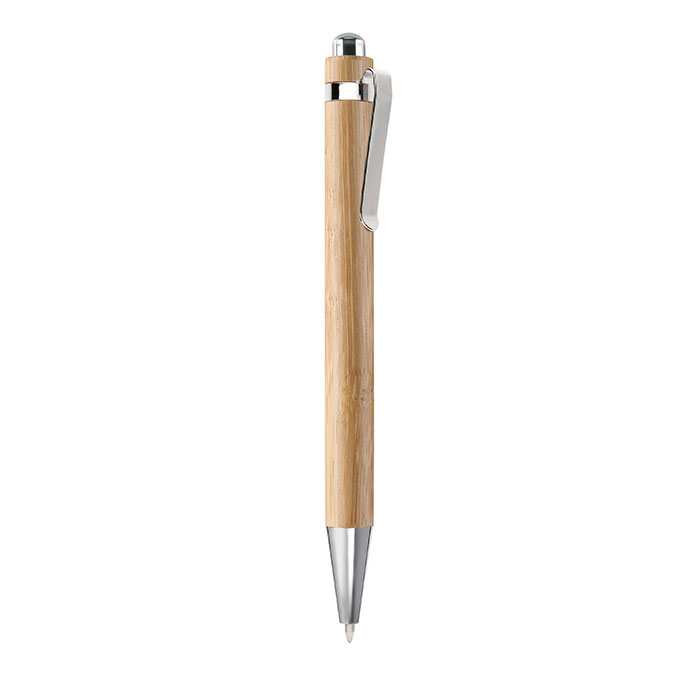
Bamboo automatic ball pen
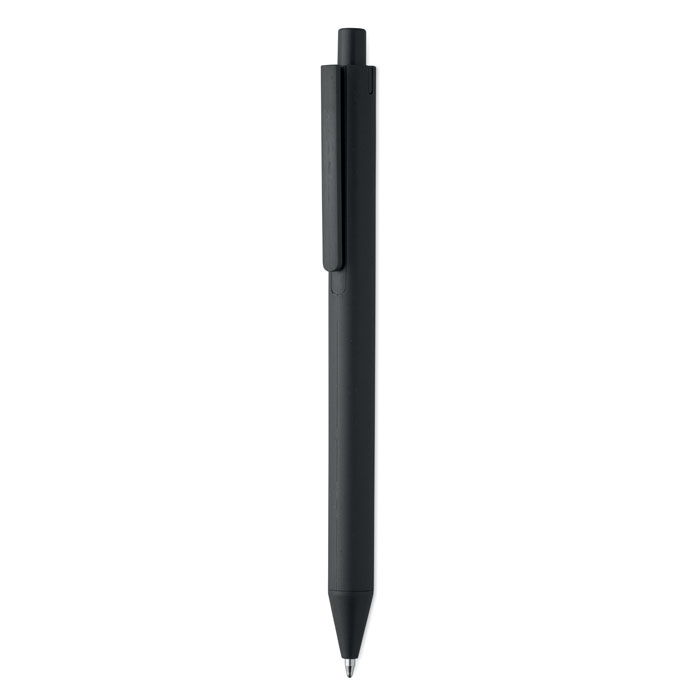
Wheat Straw/ABS push type pen
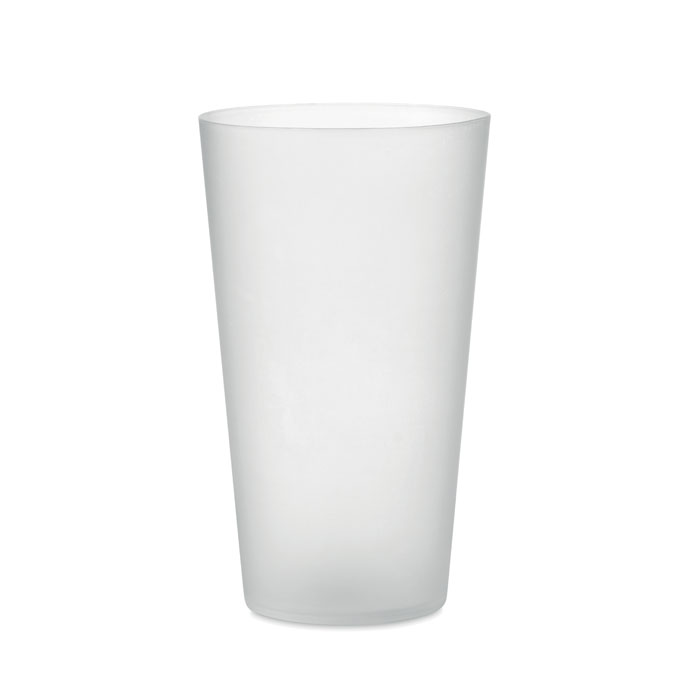
Reusable event cup 500ml
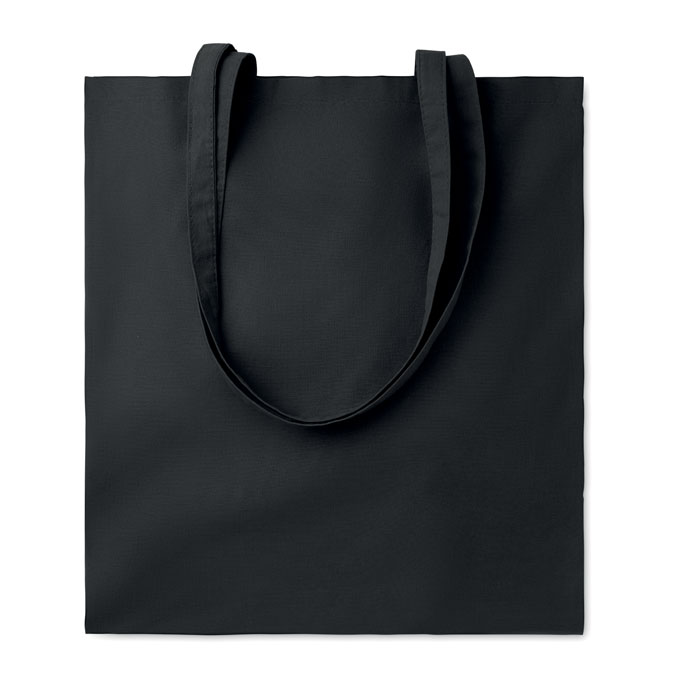
140gr/m² cotton shopping bag
Frequently asked questions
Everything you need to know to avoid mistakes
How do I know if a promotional product is too cheap?
Ask yourself this question: "Would I use it myself?" If the answer is no due to perceived quality, your clients will think the same. Rule of thumb: below €3-5/piece, quality is often compromised.
Are trends like fidget spinners always bad ideas?
Not necessarily, but they're risky. If you're riding a trend, ensure it's still current AND matches your brand image. Generally, favor timeless classics.
Can I order these products if my budget is very tight?
No. If your budget is tight, reduce quantities and choose quality. 100 good metal pens at €5 each will have 10x more impact than 500 plastic pens at €0.50. Adjust quantity, never quality.
How can I test a product before ordering in volume?
ALWAYS request physical samples. Test them for 1 week: build quality, real utility, comfort, durability. If it doesn't pass the test, don't order.
What are the safest promotional products (that never fail)?
Quality notebooks, metal pens, insulated water bottles, thick tote bags, organic cotton sweatshirts, insulated mugs. These categories are timeless and useful. Invest in quality and you won't go wrong.
What if I've already ordered one of these products?
If you've already received it: distribute it anyway (don't waste), but note the reaction and actual usage. If it's before production: cancel or modify the order. Good suppliers understand.